

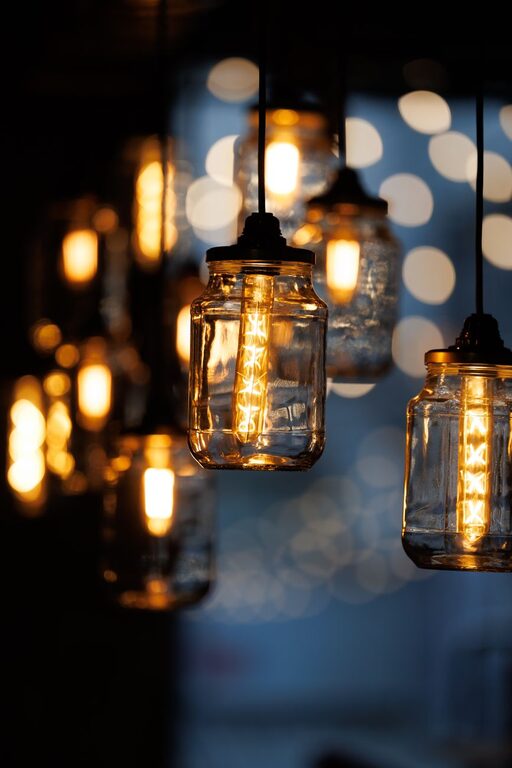
Creating comfortable home lighting is essential for making your living space inviting and enjoyable. The right lighting not only enhances the look of your rooms but also improves mood and productivity. Whether you’re setting up a new living room, upgrading your bedroom, or redesigning your entire home, understanding how to choose lighting that feels just right can make all the difference.
In this post, we’ll explore helpful tips to guide you in selecting home lighting that balances comfort and practicality.
Why Comfortable Lighting Matters
Good lighting affects how you feel in a space. Harsh or dim lighting can cause eye strain, headaches, and fatigue, while well-chosen lighting promotes relaxation and focus. Comfortable lighting supports daily activities such as reading, cooking, working, and entertaining.
By considering factors like brightness, color temperature, and fixture placement, you can create a lighting environment that suits your lifestyle and personal taste.
Key Factors to Consider When Choosing Home Lighting
1. Understand Different Types of Lighting
Lighting generally falls into three categories:
– Ambient Lighting: Provides overall illumination. Common sources include ceiling fixtures, chandeliers, and recessed lights.
– Task Lighting: Focuses on specific activities like reading, cooking, or working. Examples are desk lamps, under-cabinet lighting, and floor lamps.
– Accent Lighting: Adds visual interest by highlighting artwork, plants, or architectural features. Spotlights and wall sconces often serve this purpose.
A balanced mix of these lighting types helps create a comfortable and functional space.
2. Choose the Right Brightness Level
Brightness is measured in lumens. More lumens mean brighter light, but too much brightness can be uncomfortable.
– Living rooms and bedrooms often benefit from softer, lower-lumen lighting (around 1,500–3,000 lumens total).
– Kitchens, home offices, and workspaces may require brighter lighting (3,000–6,000 lumens) to support detailed tasks.
Try to avoid overly bright or glaring fixtures, and consider dimmer switches to adjust brightness according to different needs and times of day.
3. Select Comfortable Color Temperature
Color temperature is measured in Kelvins (K) and affects the mood of a room.
– Warm light (2700K–3000K): Has a cozy, inviting feel ideal for bedrooms and living rooms.
– Neutral light (3500K–4100K): Works well in kitchens and bathrooms for a balanced, natural look.
– Cool light (5000K+): Mimics daylight and suits work areas that require focus and concentration.
Choosing lighting with adjustable color temperature or mixing different types can provide versatility throughout your home.
4. Pay Attention to Fixture Design and Placement
The style and position of your lighting fixtures influence comfort and atmosphere.
– Use fixtures with diffusers or shades to soften light and reduce glare.
– Avoid placing lights directly in your line of sight to prevent eye strain.
– Layer your lighting by installing multiple sources in a room rather than relying on one central fixture.
– Consider the size of fixtures relative to your space to maintain balance and harmony.
5. Opt for Energy-Efficient Options
Comfortable lighting doesn’t have to come at the cost of high energy bills.
– LED bulbs are a popular choice because they use less energy, last longer, and come in various brightness and color temperature options.
– Compact fluorescent lamps (CFLs) are also efficient but may take some time to reach full brightness.
– Using smart lighting with timers and dimmers can help you control energy use while tailoring lighting to your preferences.
Practical Tips for Comfortable Lighting in Different Rooms
Living Room
– Combine ambient lighting with floor and table lamps for flexible options.
– Use warm light bulbs to promote relaxation.
– Highlight artwork or plants with accent lighting for aesthetic appeal.
Kitchen
– Install bright, neutral or cool lighting for clear visibility during cooking.
– Add under-cabinet lights to eliminate shadows on countertops.
– Choose fixtures that are easy to clean and resistant to moisture.
Bedroom
– Go for softer, warm lighting to create a calming environment.
– Use bedside lamps with adjustable brightness for reading.
– Avoid harsh overhead lights or opt for dimmers.
Home Office
– Ensure task lighting is bright and cool to minimize eye strain.
– Position lighting to reduce screen glare.
– Incorporate natural light where possible with window treatments that control brightness.
Final Thoughts
Choosing comfortable home lighting requires a thoughtful approach that balances brightness, color, fixture design, and energy efficiency. By layering different lighting types and considering the specific needs of each room, you can create a warm, welcoming, and practical living environment that suits your daily activities.
Remember, lighting is more than just illumination—it sets the tone for your home and influences how you experience your space every day. Start experimenting with your lighting setup today to find what feels best for you.