

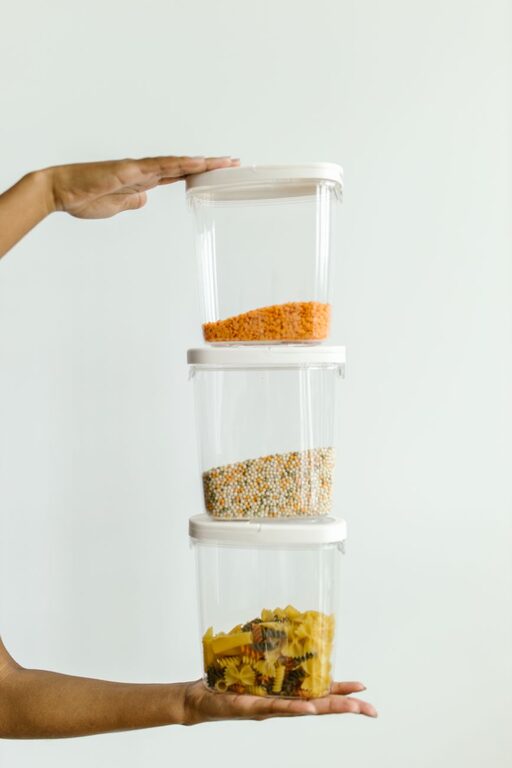
Planning meals from pantry staples is a smart and efficient way to make delicious dishes without running to the store every day. Whether you’re managing a busy schedule, trying to save money, or simply want to reduce food waste, knowing how to use what you already have on hand can make a big difference in your meal routine.
In this post, we’ll explore how to organize your pantry, select versatile staples, and build meal plans that work with the ingredients you have. You’ll also find tips for creating balanced meals, storage advice, and easy recipe ideas.
Why Meal Planning from Pantry Staples Matters
Using pantry staples for meal planning has several benefits:
– Saves Time: You don’t have to plan around last-minute grocery trips.
– Saves Money: Pantry staples often cost less and last longer, helping reduce food waste and impulse buys.
– Reduces Stress: Knowing what you have allows you to prepare meals more confidently.
– Encourages Creativity: Pantry staples are often versatile, encouraging you to experiment with flavors and dishes.
How to Organize Your Pantry for Easy Meal Planning
A well-organized pantry makes it easier to see and access your staples quickly. Here’s how to keep your pantry functional:
1. Categorize Items
Group similar items together, such as:
– Grains (rice, pasta, quinoa)
– Canned goods (beans, vegetables, tomato sauce)
– Baking essentials (flour, sugar, baking powder)
– Spices and seasonings
– Snacks and nuts
– Oils and vinegars
2. Use Clear Containers
Transfer items like flour, pasta, and rice into clear, airtight containers. This helps keep food fresh and makes it easy to see quantities at a glance.
3. Label Everything
Label containers and shelves to keep things orderly and to help you quickly find what you need.
4. Practice FIFO (First In, First Out)
Place new items behind older ones to ensure nothing gets forgotten and goes to waste.
Essential Pantry Staples to Keep on Hand
Having a well-stocked pantry means you can make a variety of meals at any time. Here are some essential staples to keep handy:
– Grains: Rice (white and brown), pasta, oats, quinoa, couscous
– Canned Goods: Beans (black, kidney, chickpeas), tomatoes, corn, tuna
– Baking Basics: Flour, sugar, baking powder, baking soda, yeast
– Cooking Oils: Olive oil, vegetable oil, sesame oil
– Vinegars: White vinegar, apple cider vinegar, balsamic vinegar
– Spices and Herbs: Salt, black pepper, garlic powder, paprika, chili flakes, dried oregano, cumin, turmeric
– Other Essentials: Broth or stock cubes, peanut butter, soy sauce, honey or maple syrup, nuts, dried fruits
How to Plan Your Meals Using Pantry Staples
When planning your meals, start by reviewing what you have in your pantry. Here are some steps to help you get started:
Step 1: Inventory Your Pantry
Take stock of your pantry items, noting what you have in sufficient quantity and what’s running low. This helps you prioritize meals that use those ingredients.
Step 2: Choose a Protein Source
Many pantry staples include canned beans, lentils, or tuna that can serve as cost-effective protein options. Pair these with grains and vegetables for a well-rounded meal.
Step 3: Pick a Grain or Base
Decide whether you want to base your meal on rice, pasta, couscous, or another grain. This will set the foundation for your dish.
Step 4: Add Flavor with Sauce, Spices, or Herbs
Use canned tomatoes, broth, or peanut butter as a base for sauces. Season with your favorite spices or dried herbs to add depth and variety.
Step 5: Incorporate Fresh or Frozen Produce
If possible, add fresh or frozen vegetables to your meals for color, texture, and nutrition. Having frozen veggies on hand is a great way to extend shelf life and add flexibility.
Simple Meal Ideas Using Pantry Staples
Here are some easy meal ideas that rely heavily on pantry staples:
1. One-Pot Pasta
– Pasta
– Canned diced tomatoes
– Olive oil
– Garlic powder, oregano, chili flakes
– Optional: Canned beans or tuna
Cook pasta directly with canned tomatoes, a splash of water, and seasonings for a quick, flavorful meal.
2. Chickpea Curry
– Canned chickpeas
– Coconut milk (canned or powdered)
– Curry powder or turmeric, cumin
– Rice or couscous
Simmer chickpeas in coconut milk and spices, serve over rice or couscous for a comforting dish.
3. Rice and Bean Bowl
– Rice
– Canned black beans
– Canned corn
– Salsa or diced tomatoes
– Spices: cumin, garlic powder, chili powder
Mix rice with beans, corn, and salsa for a filling, nutritious bowl.
4. Peanut Butter Noodles
– Pasta or noodles
– Peanut butter
– Soy sauce
– Garlic powder, chili flakes
– Optional: frozen veggies
Make a simple sauce by mixing peanut butter with soy sauce and spices; toss with noodles and veggies.
5. Lentil Soup
– Lentils (dried or canned)
– Vegetable broth or stock cubes
– Canned tomatoes
– Carrots and onions (fresh or frozen)
– Spices: bay leaves, thyme, black pepper
Combine ingredients and simmer until lentils are tender for a hearty soup.
Tips to Maximize Your Pantry Meal Planning
– Plan Around What Needs to Be Used: Prioritize items that are nearing expiration.
– Keep a Running Shopping List: Note pantry staples that run low so you can replenish regularly.
– Batch Cook or Meal Prep: Make larger batches of pantry-based meals and freeze portions for convenience.
– Experiment with Flavors: Use different spices or herbs to keep pantry meals interesting.
– Combine Fresh and Pantry Items: Whenever possible, add in fresh produce to enhance nutrition and texture.
Storing Pantry Staples Properly
Proper storage extends the life of pantry staples:
– Keep items in a cool, dry place away from sunlight.
– Use airtight containers to protect from moisture and pests.
– Regularly check for signs of spoilage or expiration.
– Freeze grains or nuts if you buy in bulk to maintain freshness.
—
With a little organization and creativity, planning meals from pantry staples can be both simple and rewarding. Start by stocking your pantry with versatile essentials, organize them for easy access, and use these tips to craft meals that are tasty, budget-friendly, and convenient. Happy cooking!