

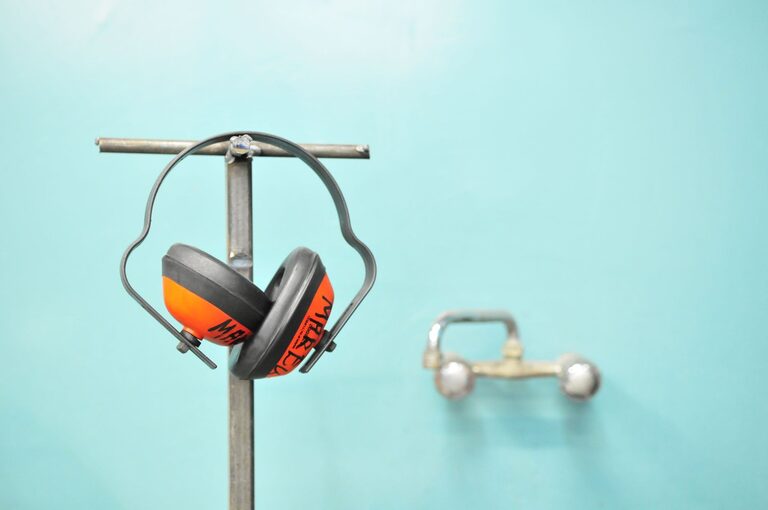
Creating a peaceful home environment is something many of us strive for, especially in busy neighborhoods or apartments. Noise from outside traffic, noisy neighbors, or even household appliances can disrupt daily life and rest. Fortunately, reducing noise at home doesn’t always require expensive renovations or complicated solutions. In this post, we’ll explore simple, practical ways to minimize noise and enhance your home’s quietness.
Understanding Noise Sources in Your Home
Before diving into solutions, it’s helpful to identify common noise sources inside and outside your home. Typical noise include:
– Traffic sounds from streets or highways
– Loud neighbors or shared walls in apartments
– Household appliances like washing machines, TVs, and kitchen devices
– Footsteps or movements on hard floors
– Outdoor noises such as lawnmowers, barking dogs, or construction
Knowing where noise comes from will help you apply the most effective strategies.
Simple Ways to Reduce Noise Inside Your Home
1. Use Soft Furnishings to Absorb Sound
Hard surfaces often reflect sound, making rooms noisy and echoey. Adding soft materials can absorb sound waves and reduce noise levels.
– Place rugs or carpets on hardwood or tile floors.
– Use heavy curtains or drapes on windows.
– Incorporate upholstered furniture like sofas and cushioned chairs.
– Consider fabric wall hangings or tapestries.
These items help absorb sound and prevent it from bouncing around your rooms.
2. Seal Gaps and Cracks
Noise can enter through small openings around windows, doors, and walls. Sealing these gaps blocks sound from sneaking in.
– Use weatherstripping or door sweeps at the bottom of doors.
– Apply caulk or acoustic sealant around window frames.
– Check for cracks or holes in walls and fill them with suitable filler material.
A tight seal reduces airflow and sound transmission.
3. Rearrange Furniture Strategically
Furniture placement can influence how noise travels.
– Move bookshelves or wardrobes against walls shared with noisy neighbors to act as sound barriers.
– Position beds and seating areas away from windows or doors where noise enters.
– Use large furniture pieces to block sound pathways.
This is a no-cost way to use your existing items to dim noise.
4. Add Soundproofing Panels or Foam
For targeted noise reduction, consider installing acoustic panels or foam on walls.
– These materials absorb mid to high-frequency sounds effectively.
– Panels come in various styles and colors to blend with decor.
– Foam tiles are easy to install and removable.
While a bit of an investment, they can drastically reduce echo and unwanted noise.
5. Use White Noise Machines or Soft Music
Sometimes, completely blocking noise isn’t possible, but you can mask it.
– White noise machines create soothing background sounds that drown out sudden noises.
– Playing soft music or nature sounds can provide a calming auditory environment.
This method helps many people sleep better or concentrate despite external noise.
Reducing Outdoor Noise Impact
1. Install Double-Glazed or Storm Windows
Windows are often a weak point for noise infiltration.
– Double-glazed windows have two layers of glass with a gap in between, improving sound insulation.
– Storm windows can be added to existing windows as an affordable alternative.
These options reduce street noise and improve energy efficiency.
2. Use Outdoor Barriers
If outdoor noise is a problem, physical barriers can help.
– Plant dense shrubs, trees, or hedges along property lines to absorb sound.
– Erect fences made from solid, dense materials to block noise paths.
Greenery not only lowers noise but also enhances privacy and aesthetics.
3. Maintain Appliances and Equipment
Noisy outdoor equipment adds to the soundscape.
– Regularly service lawn mowers, air conditioners, and generators to keep them running quietly.
– Consider quieter models when replacing equipment.
Proper maintenance prevents unnecessary loud noises.
Noise Reduction in Shared Walls and Apartments
1. Install Soundproof Curtains or Window Inserts
Apartments often share walls and windows with neighbors.
– Heavy soundproof curtains block noise from outside and adjacent units.
– Window inserts add an extra pane, creating a sound buffer.
These solutions improve comfort without major renovations.
2. Add Rugs and Floor Padding
Noisy footsteps from neighbors above can be disturbing.
– Use thick area rugs with dense padding on floors.
– Consider foam or cork underlayment beneath flooring if possible.
This reduces impact noise, making floors quieter.
3. Talk to Neighbors and Management
Sometimes, a friendly conversation can help.
– Discuss noise concerns politely with neighbors.
– Request building management to enforce quiet hours or noise policies.
Open communication can lead to mutually agreeable solutions.
Final Tips for a Quieter Home Environment
– Turn down volume on TVs, radios, and devices.
– Close doors to rooms producing noise, like laundry areas or playrooms.
– Use door draft blockers to prevent sound leaks.
– Keep windows closed during peak noise times, such as rush hour.
Small daily habits add up to a calmer home.
—
Reducing noise at home is achievable through a combination of sound absorption, sealing gaps, thoughtful layout, and barrier installation. With these simple steps, you can create a more peaceful and comfortable living space that supports rest, focus, and relaxation. Start with the easy changes and explore options that best fit your home and lifestyle. Enjoy the quiet!